Login to use
Bhutan Discovery: A 7-Day Journey from South to West
Location
Discover London's most essential sights and landmarks in...
Welcome to Bhutan - your gateway to the mystical Land of the Thunder Dragon. Upon arrival at Paro International Airport, you will be warmly received by your guide just outside the arrival hall. At an elevation of over 7,300 feet, you’ll immediately notice the crisp, refreshing mountain air.
To ease into the altitude, enjoy a scenic drive to Thimphu, Bhutan’s charming capital. Along the way, take in your first glimpses of the Himalayan landscape before arriving at your hotel, where a traditional Bhutanese lunch awaits.
Your exploration begins at the Motithang Takin Preserve, home to Bhutan’s unique national animal—the takin. With its unusual appearance, often likened to a blend of a goat and a moose, this gentle creature is both fascinating and symbolic. The preserve, once a zoo, was transformed into a natural sanctuary in keeping with Bhutan’s deep-rooted Buddhist values.
Continue to the serene Buddha Dordenma at Buddha View Point, where a colossal 169-foot bronze statue overlooks the Thimphu Valley. This awe-inspiring monument, one of the largest seated Buddhas in the world, offers sweeping panoramic views of the city framed by lush hills and distant mountain peaks.
Return to your hotel in the evening and unwind, as you prepare for the journey ahead.
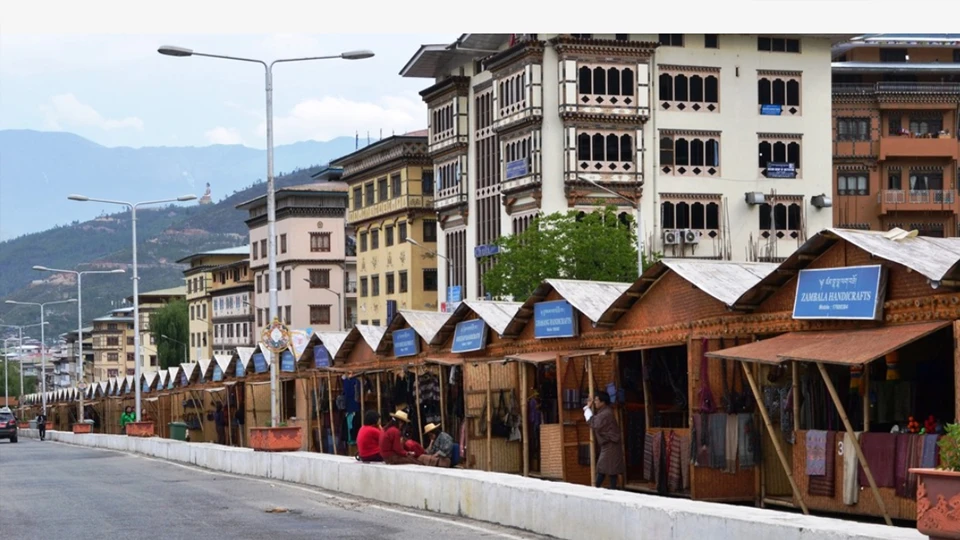
Begin your day at the vibrant Kaja Throm Market, where locals gather to trade fresh produce, artisanal cheese, and handmade goods. Set along the riverbanks, this lively market offers an authentic glimpse into daily Bhutanese life.
Step back in time at the Folk Heritage Museum, housed in a traditional 19th-century home. Through its exhibits and demonstrations, gain insight into Bhutan’s rural lifestyle, customs, and traditions.
Continue to the National Textile Museum, where the intricate art of Bhutanese weaving comes alive. Observe skilled artisans at work and learn about the cultural symbolism woven into each design.
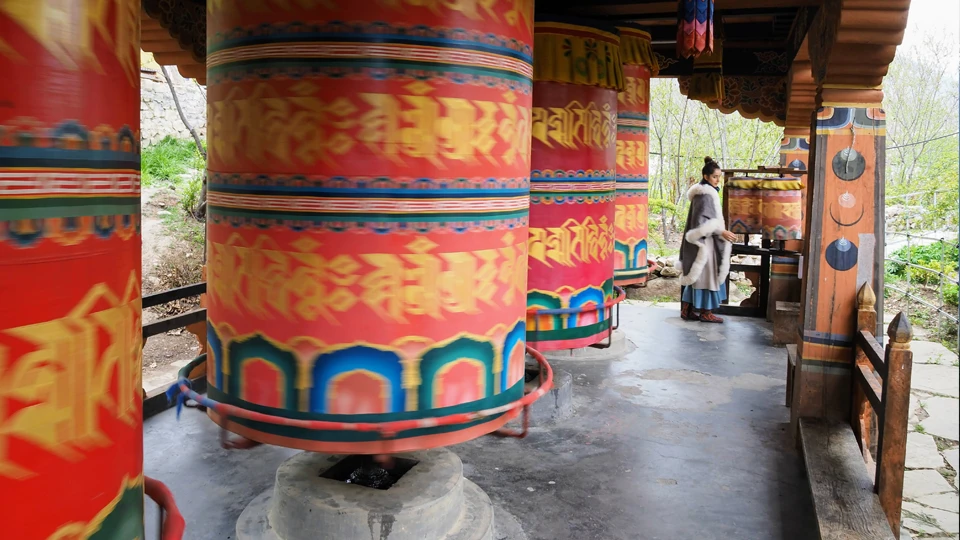
Visit the revered Memorial Chorten, built in honour of the Third King, Jigme Dorji Wangchuck. This spiritual landmark is constantly animated by devotees who circle the stupa, spinning prayer wheels and chanting mantras.
At the Jungshi Handmade Paper Factory, witness the age-old craft of papermaking using the bark of local trees. This traditional Deh-sho paper is still used for religious texts and woodblock printing.
A short drive brings you to Simtokha Dzong, Bhutan’s oldest fortress, renowned for its rich carvings and religious murals. Legend has it that the dzong was built to subdue a demon that once haunted the area.
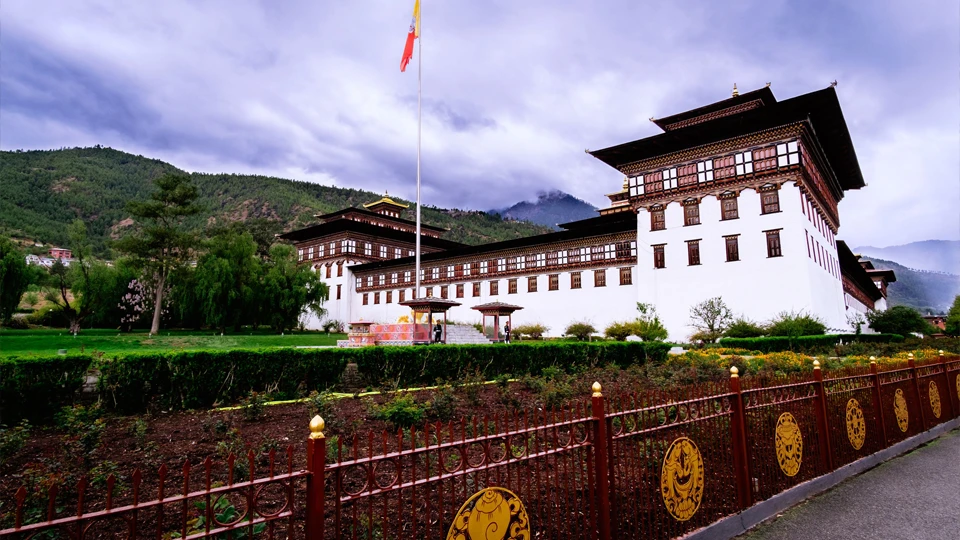
Conclude your day at the grand Tashichho Dzong, the administrative and religious heart of Thimphu. Admire its striking architecture—constructed without nails—and its role as the seat of the King and the central monastic body.
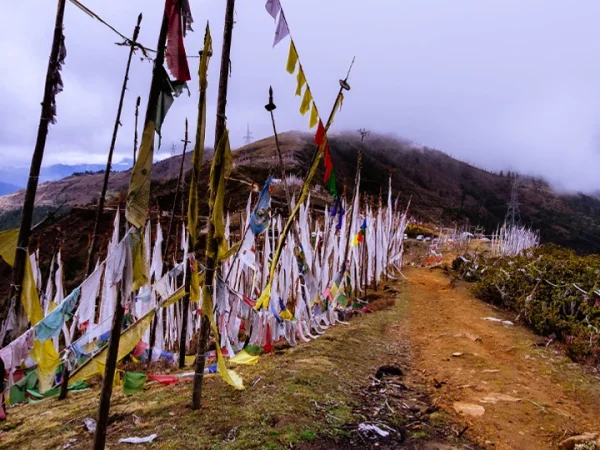
Depart for Punakha, Bhutan’s former capital, via the scenic Dochula Pass. At this breathtaking vantage point, enjoy sweeping 360-degree views of the Eastern Himalayas. The pass is adorned with 108 Druk Wangyal Chortens, built to commemorate Bhutan’s victory over insurgents.
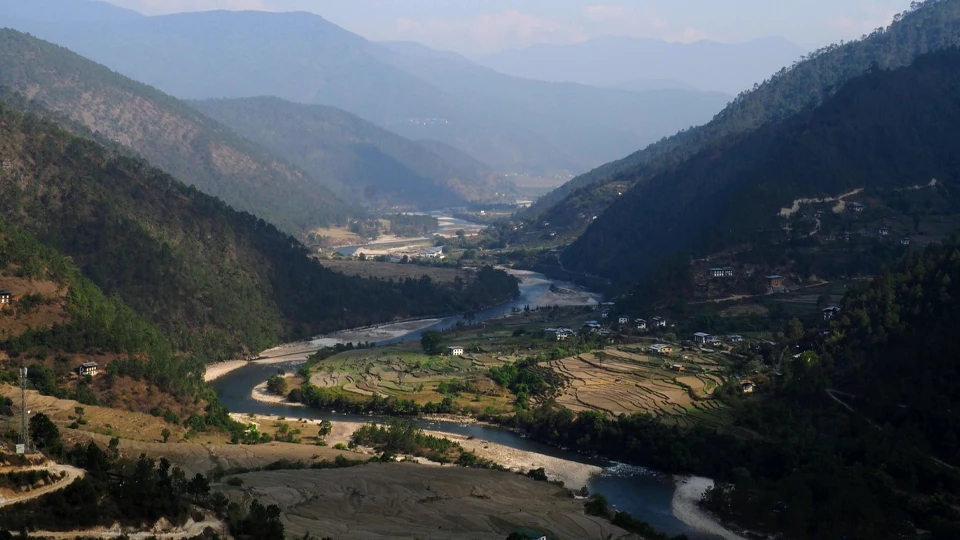
Descend into the warmer Punakha Valley and visit the magnificent Punakha Dzong, set at the confluence of two rivers and surrounded by jacaranda trees. Built in 1637, this architectural masterpiece remains a vital religious centre and was the venue for Bhutan’s royal wedding in 2011.
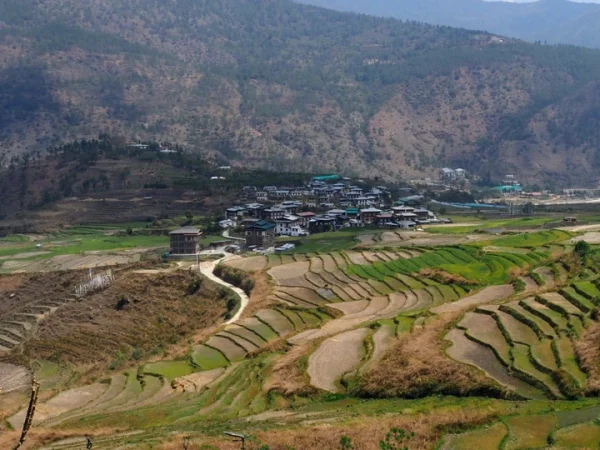
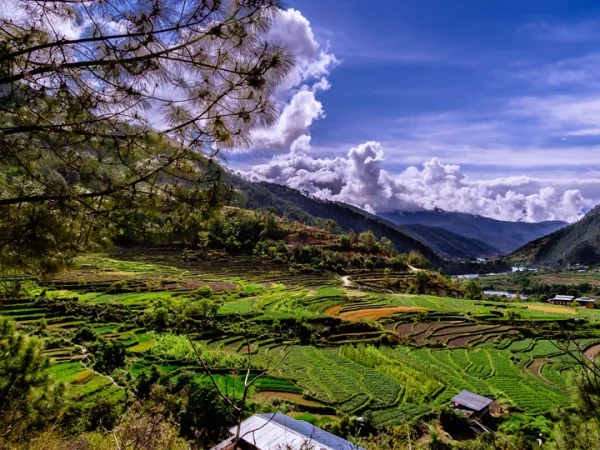
Continue with a peaceful walk through rice fields to Chimi Lhakhang, the famed Temple of Fertility. Dedicated to the eccentric saint Lama Drukpa Kunley, this temple is known for its blessings and colourful folklore.
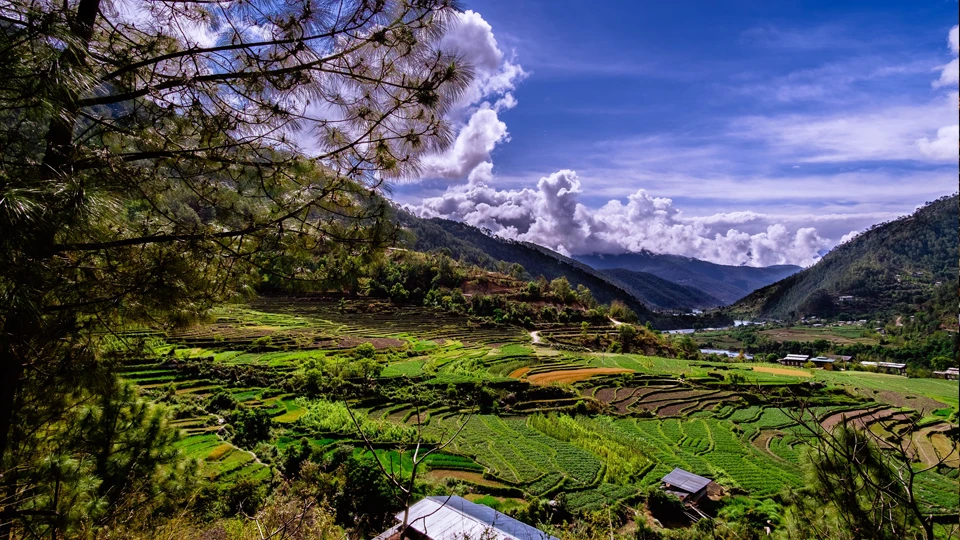
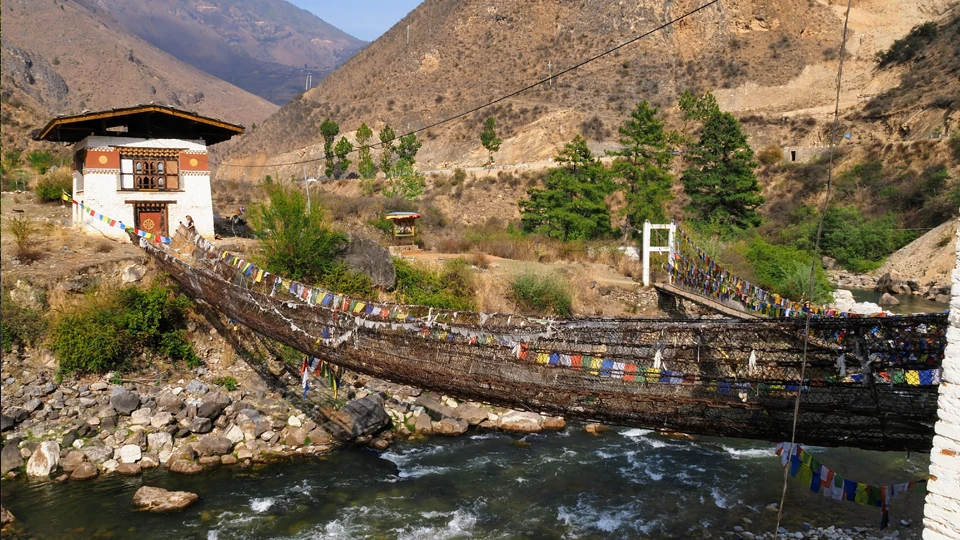
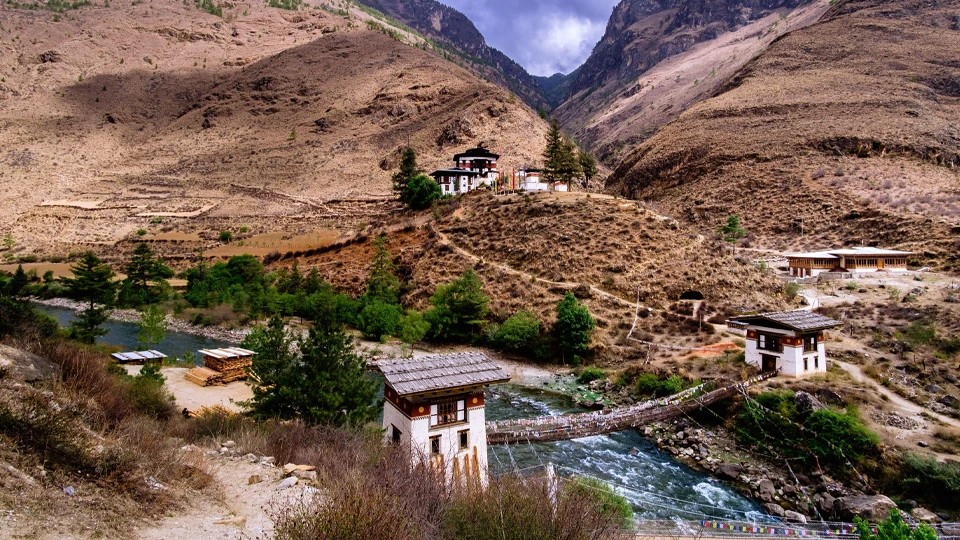
Later, take a gentle hike to Khamsum Yulley Namgyal Chorten, crossing a suspension bridge draped in prayer flags. This beautifully constructed temple offers not only spiritual significance but also stunning valley views.
Set out on a scenic journey toward Bumthang, with a stop in Trongsa, the ancestral seat of Bhutan’s royal family. The impressive Trongsa Dzong, dramatically perched above the Mangde Chu Valley, is one of the largest and most historically significant fortresses in the country.
Nearby, visit Chendebji Chorten, a striking white stupa inspired by Nepal’s Swayambhunath. It was built to subdue a local spirit and stands as a peaceful spiritual landmark.
Explore the vast corridors and temples of Trongsa Dzong, a strategic stronghold that once controlled Bhutan’s east–west trade route and played a crucial role in shaping the monarchy.
Discover Bumthang Valley, widely regarded as the spiritual heart of Bhutan. It is here that Guru Rinpoche is believed to have introduced Buddhism in the 8th century.
Visit the sacred Kurjey Lhakhang, where a rock bears the imprint of Guru Rinpoche’s body. Surrounded by ancient cypress trees, the temple exudes tranquillity.
Continue to Jambay Lhakhang, one of Bhutan’s oldest temples, believed to have been built in a single day to subdue a demoness hindering the spread of Buddhism.
Explore Tamshing Goemba, founded by the revered saint Pema Lingpa, and take a scenic hike to the remote Thangbi Lhakhang, crossing a suspension bridge along the way.
At Kenchosum Lhakhang, learn about the legend of the three divine Buddhas and its spiritual significance.
End your day with a visit to Jakar Dzong, the “Castle of the White Bird,” offering sweeping views of the valley, followed by a stop at the Swiss Farm to sample locally made cheese and Bhutan’s Red Panda beer.
Travel towards Gangtey Valley, passing once more through Trongsa. Visit the historic Ta Dzong, originally built as a watchtower and now a museum showcasing Bhutan’s royal heritage and sacred artefacts.
Arrive in the pristine Phobjikha Valley, winter home to the rare black-necked cranes. This glacial valley is one of Bhutan’s most beautiful and ecologically important landscapes.
Visit Gangtey Goemba, a 17th-century monastery overlooking the valley, and learn about its deep spiritual significance.
Enhance your experience by staying overnight in a traditional Bhutanese farmhouse, offering a genuine glimpse into local life and hospitality.
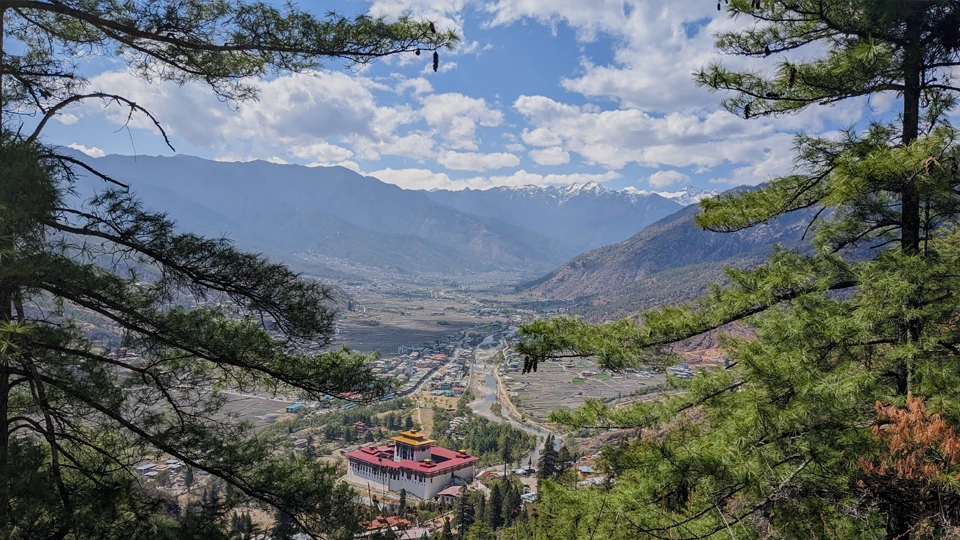
Journey back to Paro, a valley rich in history and natural beauty. Visit the impressive Rinpung Dzong and explore Ta Dzong, now the National Museum, housing an extensive collection of Bhutanese artefacts.
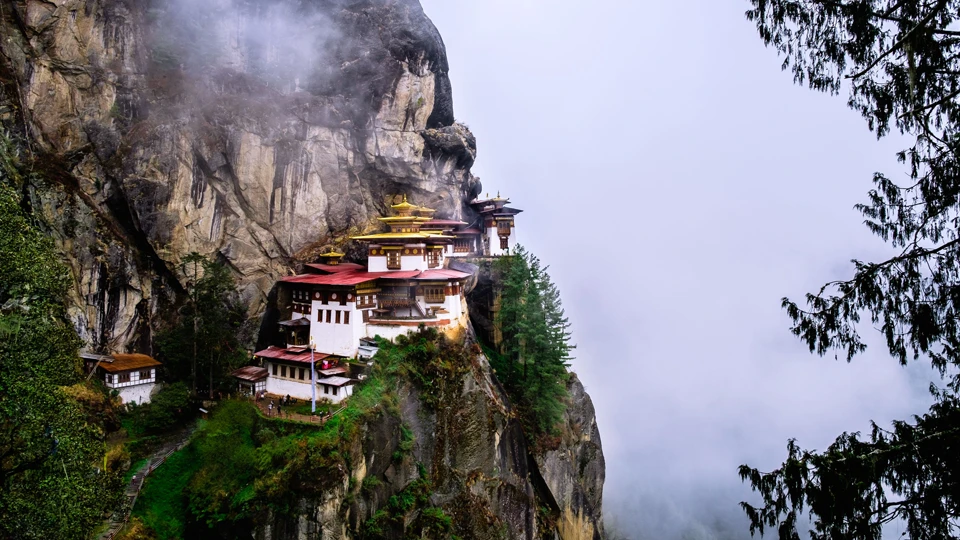
Embark on a memorable hike to Taktsang Monastery, famously known as Tiger’s Nest. Perched dramatically on a cliffside, this sacred site is one of Bhutan’s most iconic landmarks. The hike is both rewarding and spiritual, offering breathtaking views throughout.
Later, visit the ruins of Drukgyal Dzong and, if weather permits, enjoy views of the majestic Mount Jomolhari.
Conclude your journey at Kyichu Lhakhang, one of Bhutan’s oldest and most sacred temples.
As your unforgettable journey comes to an end, bid farewell to Bhutan’s serene landscapes and timeless traditions. Depart from Paro with cherished memories and a deep connection to the Land of the Thunder Dragon.
Tashi Delek—until we meet again.
Have a question before booking? Message us to learn more.
Login to use
Location
Discover London's most essential sights and landmarks in...
Login to use
Location
See epic ruined castles, listen to tales of...
Login to use
Location
Discover London's most essential sights and landmarks in...
Login to use
Location
Discover London's most essential sights and landmarks in...