The Kingdom of Happiness: A 7-Day Essential Journey

Loading available options...

Overview

  • Duration:7 days 6 nights
  • Travelers:1 - 20 guests
  • Tour Type:Cultural & Heritage Tours
  • Language:English
Bhutan is not merely a destination; it is a profound shift in perspective. This carefully curated 7-day expedition offers the definitive introduction to the Land of the Thunder Dragon. Designed for those who seek a balance of monastic serenity, architectural grandeur, and immersive local culture, this route connects the "Golden Triangle" of Bhutan: Paro, Thimphu, and Punakha.

From the world’s most dramatic airport landing to the final, triumphant ascent to the Tiger’s Nest, you will be guided by local experts who don't just show you the sights—they invite you into the Bhutanese way of life.
Read more

Highlights

  • Stand in awe beneath the Buddha Dordenma, a 169-foot golden giant overlooking the valley.
  • Witness the precision of the 13 Traditional Arts at Zorig Chusum.
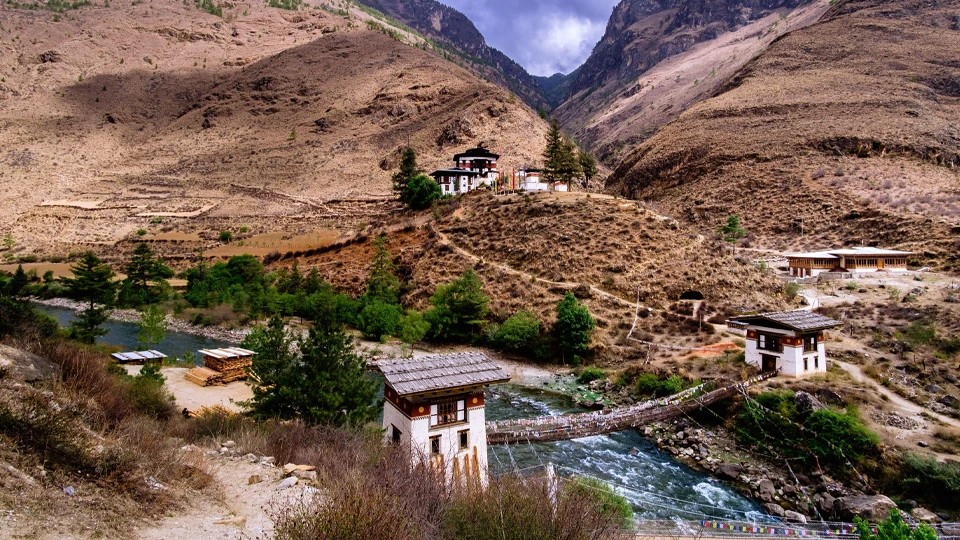
  • Walk the iconic Suspension Bridge, suspended over the glacial Mo Chhu river.
  • Explore Punakha Dzong, the "Palace of Great Happiness," widely considered the most beautiful fortress in the Himalayas.
  • Experience the quirky history of Chimi Lhakhang, a temple dedicated to the "Divine Madman."
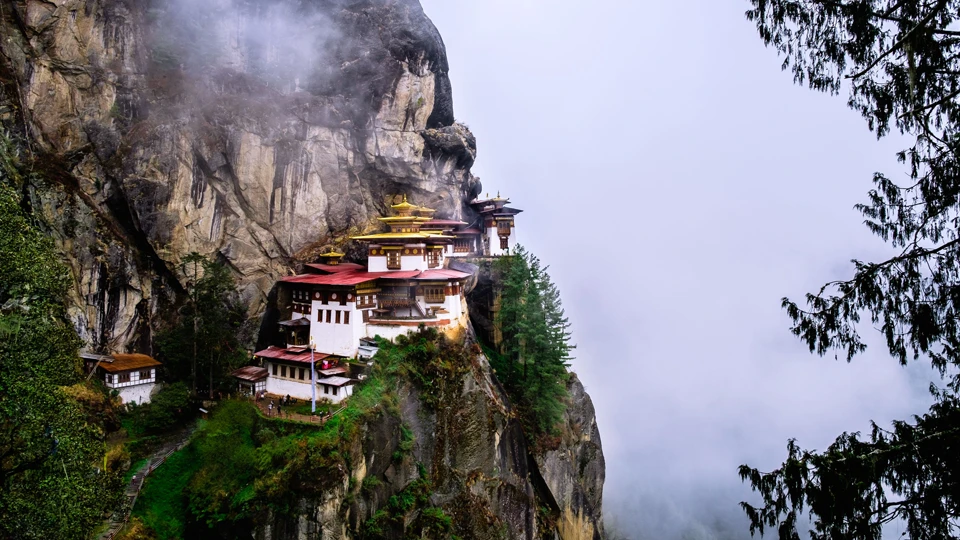
  • Embark on the ultimate pilgrimage to Paro Taktsang (Tiger’s Nest), a monastery that defies gravity, clinging to a sheer cliff 900 meters above the valley.

Includes/Excludes

  • Government-approved 3-4 star hotels or homestays with full board (B/L/D).
  • All local taxes, monument entrance fees, and inland travel permits.
  • Visa fees ($40) and the Sustainable Development Fee ($100/night).
  • Licensed English-speaking guide and all private land transfers.
  • Daily bottled water and a complimentary SIM card for couples.
  • International flights (available upon request).
  • Personal travel and medical coverage.
  • Laundry, souvenirs, and additional data/phone usage.
  • Optional tips for your guide and driver.

Itinerary

Expand all

Day 1: Arrival in Paro & The Capital Ascent

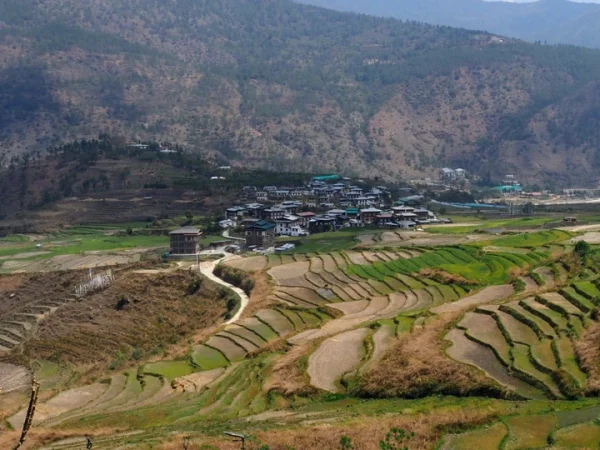
Welcome to the Kingdom of Bhutan! Your arrival at Paro International Airport (2,235m) is an event in itself, as the descent offers bird’s-eye views of Himalayan peaks and traditional terraced farms. After being greeted by your private guide, we begin the hour-long scenic drive to Thimphu, the world’s only capital city without a single traffic light.

Motithang Takin Preserve: We start with a gentle walk to see the Takin (Budorcas taxicolor). Local legend says the "Divine Madman" created this animal by joining a cow’s body with a goat’s head. Beyond the myth, the preserve exemplifies Bhutan’s commitment to animal welfare; the enclosure was created after the Fourth King released the animals into the wild, only to find they were too tame to survive without protection.

Buddha Dordenma (Buddha Point): We drive up to the Kuenselphodrang nature park. The towering 169-foot bronze statue is gilded in gold and contains 125,000 smaller Buddha statues within its chest. Standing here, you are treated to a sweeping view of the Thimphu Valley, perfect for orienting yourself to the local geography.

Day 2: Explore the Living Traditions of Thimphu

Today is an immersion into Driglam Namzha—the official code of etiquette and dress that preserves Bhutanese identity.

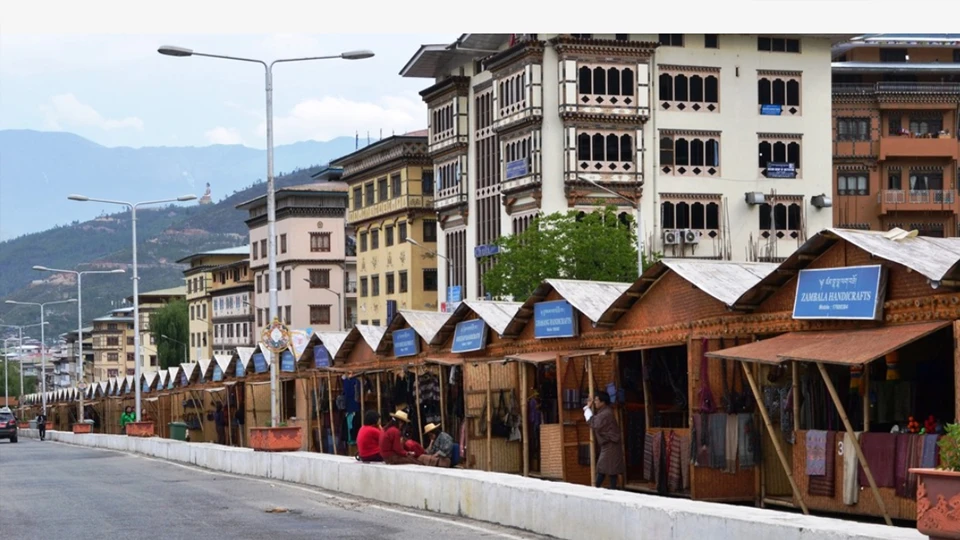
Kaja Throm Market: Wander through the stalls where farmers from across the district sell organic "Ema" (chilies), dried yak cheese (chugo), and wild ferns. It is a masterclass in Bhutanese agriculture and local commerce.

The National Museums: At the Folk Heritage Museum, explore a restored three-story mud-and-timber house that showcases the ingenuity of rural life. Then, at the National Textile Museum, learn about the complex art of "Kishuthara" weaving, where every pattern represents a different valley or social status.

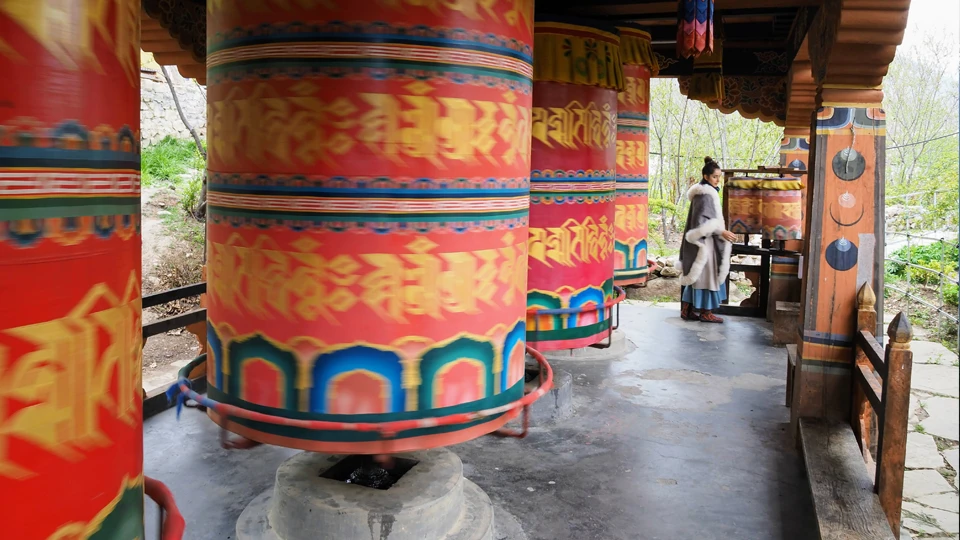
National Memorial Chorten: This landmark is the "mind" of Thimphu. Observe the elderly locals performing kora (circumambulation) around the white stupa, a daily ritual meant to accumulate merit for all sentient beings.

Jungshi Paper Factory: Witness the ancient process of boiling the bark of the Daphne and Edgeworthia plants to create archival-quality paper that is naturally resistant to insects and time.

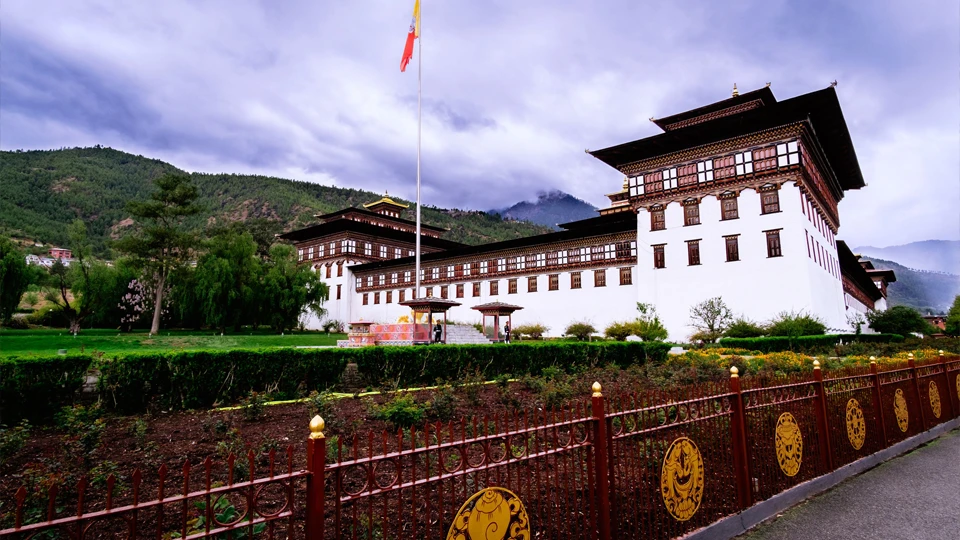
Simtokha Dzong & Tashichho Dzong: We visit Simtokha, the first fortress built by the unifier of Bhutan, Zhabdrung Ngawang Namgyal, in 1629. We conclude the day at Tashichho Dzong, the "Fortress of the Glorious Religion." This massive structure houses the throne room of the King and the summer residence of the central monastic body.
Day 3: The High Pass to Ancient Punakha

We leave Thimphu for a dramatic climb to Dochula Pass (3,100m). On clear days, the entire northern Himalayan range, including Gangkhar Puensum (the highest unclimbed peak in the world), is visible.

108 Druk Wangyal Chortens: These memorials were built to honor the Bhutanese soldiers who defended the country in 2003. Nearby, the Druk Wangyal Lhakhang features modern murals that uniquely blend traditional Buddhist art with 21st-century history.

Punakha Dzong: Known as the "Palace of Great Happiness," this is widely considered the most beautiful fortress in the country. It served as the capital until 1955 and remains the site of royal coronations and weddings.

Chimi Lhakhang: A scenic walk through the village of Sopsokha—famous for its phallus paintings—leads to the "Temple of Fertility." Couples from around the globe visit here to be blessed by a wooden phallus, a tradition started by the 15th-century saint Drukpa Kunley.

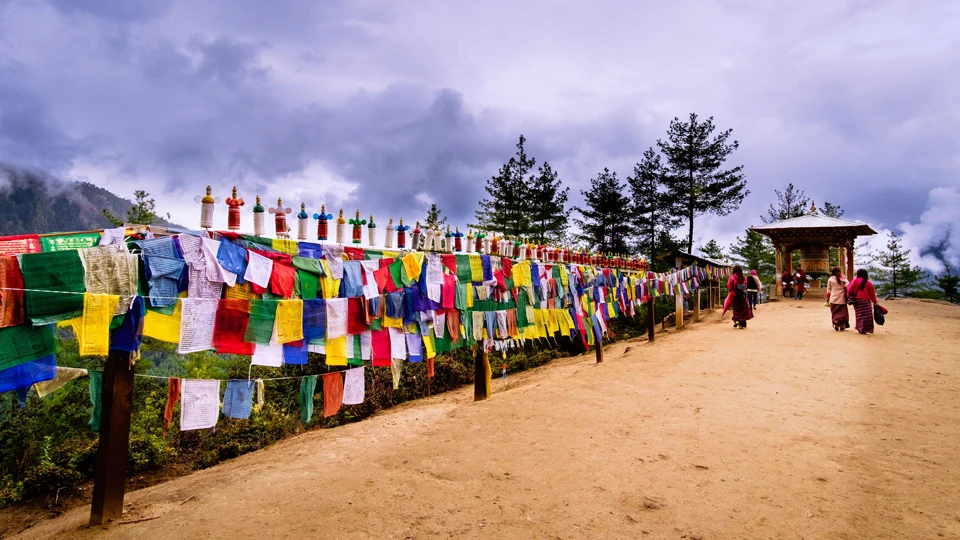
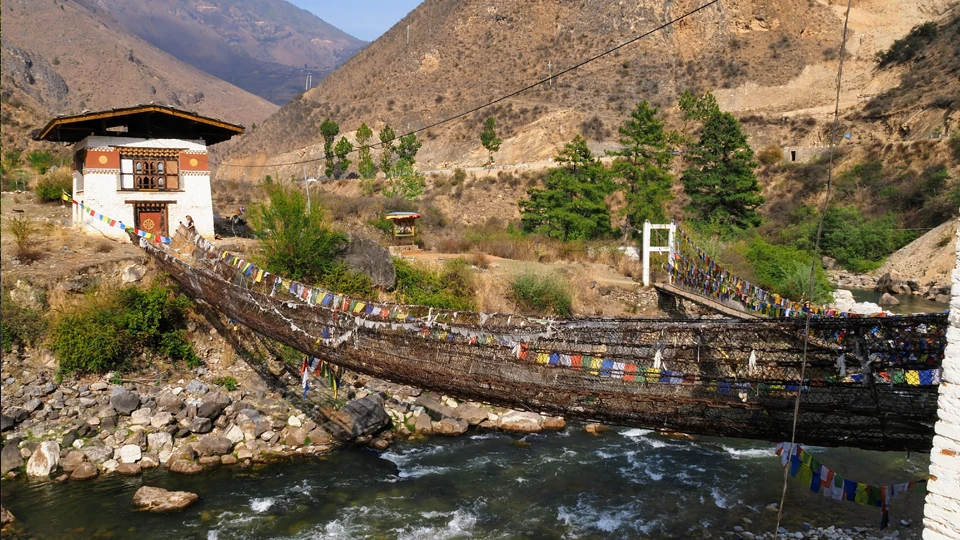
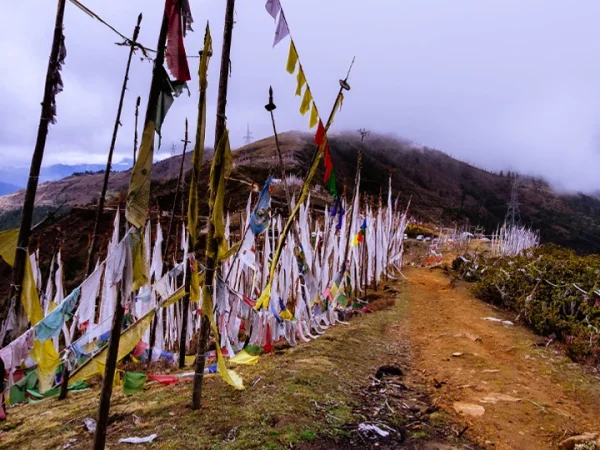
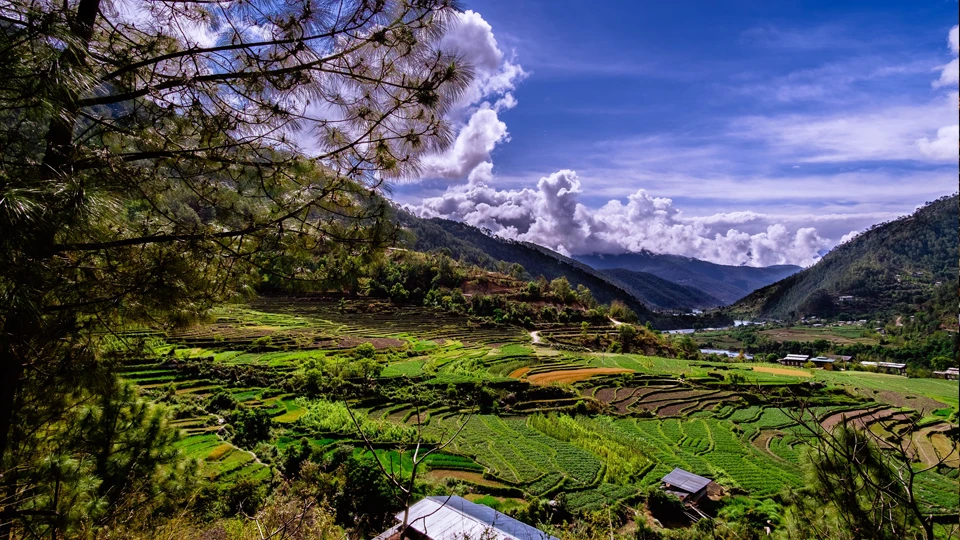
Pho Chhu Suspension Bridge: Walk across Bhutan's longest suspension bridge, adorned with hundreds of prayer flags that send blessings into the wind as they flap above the turquoise waters.

Day 4: Punakha’s Spiritual Landscapes

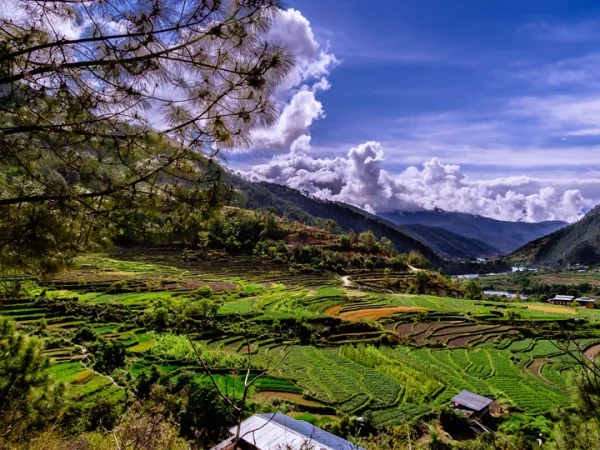
Khamsum Yulley Namgyal Chorten: A 45-minute hike through rice paddies leads to this unique pagoda-style temple. Unlike other temples, this was built specifically to ward off evil forces and bring peace to the world. Its four floors contain some of the most complex tantric statues in the Himalayas.

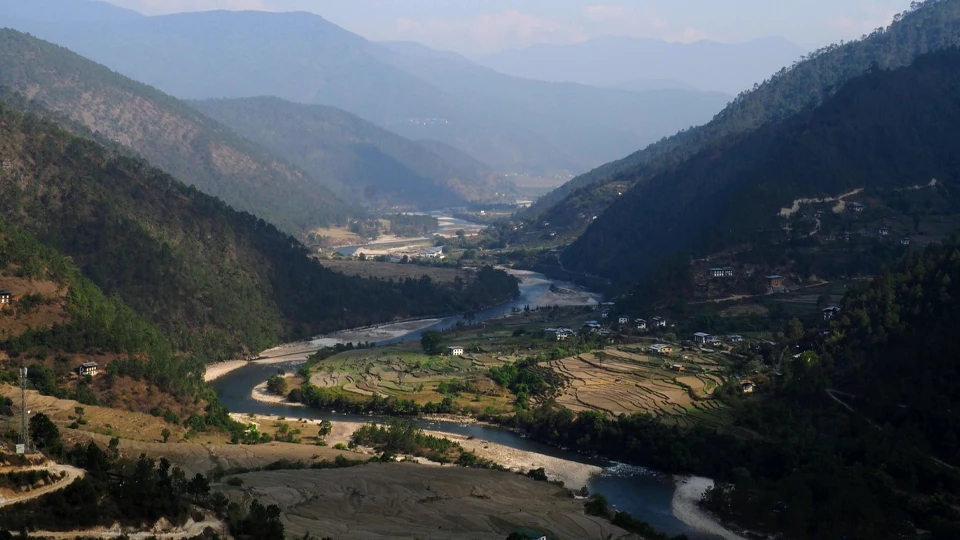
Riverside Picnic & Farmhouse Visit: After a private lunch by the Mo Chhu (Mother River), we visit a local family. This is an authentic look at the "Gross National Happiness" philosophy in action. You’ll likely be invited to try Suja (salted butter tea) and hear stories about rural life.

Day 5: The Sacred History of Paro

We retrace our steps back to Paro to explore its deep archaeological and spiritual roots.

Kyichu Lhakhang: This is one of the 108 temples built in a single night by the Tibetan King Songtsen Gampo in the 7th century to pin down a giant ogress who was preventing the spread of Buddhism. It is a place of profound silence and antiquity.

Dumtse Lhakhang: This rare, chorten-like temple is a visual map of the Buddhist path. As you climb from the dark ground floor (symbolizing lower realms) to the light-filled top floor (enlightenment), the murals become increasingly intricate and celestial.

Day 6: The Ascent to Taktsang (Tiger’s Nest)

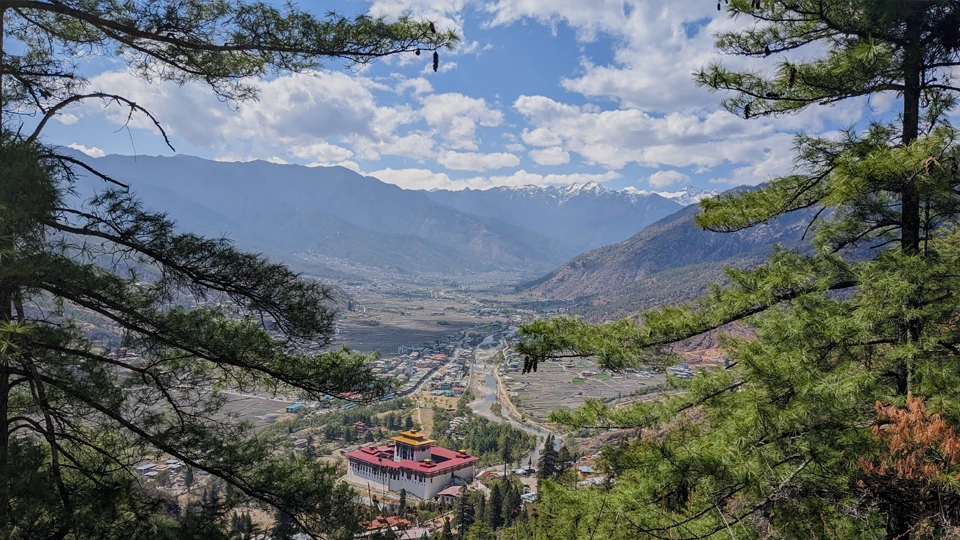
No trip to Bhutan is complete without the pilgrimage to Taktsang Monastery. Perched on a sheer cliff 900 meters above the valley, the monastery was built around the cave where Guru Rinpoche is said to have meditated for three months, three weeks, and three days.

The Trek: The hike takes roughly 2 to 4 hours depending on your pace. We stop halfway at a traditional wooden cafeteria for tea and a spectacular view of the monastery clinging to the rock face.

The Sanctuary: Once inside, you’ll explore several small chapels. The atmosphere is heavy with the scent of butter lamps and the sound of chanting—a fittingly grand spiritual climax to your journey.

Day 7: Departure

After a final Bhutanese breakfast, your guide will escort you to Paro Airport. As you take off, look out the window for one last glimpse of the peaks that have guarded this "Hidden Land" for centuries.

Tashi Delek - may auspicious signs follow you home!

Frequently asked questions

1. Where does the tour start and end?

The tour begins and ends in Paro, with arrival and departure via Paro International Airport.

2. How long is the drive from Paro to Thimphu?

The drive to Thimphu takes approximately 1 to 1.5 hours and follows a scenic route along the Paro and Thimphu rivers.

3. What are the must-see highlights in Thimphu?

Key highlights include Buddha Dordenma, National Memorial Chorten, and Tashichho Dzong, along with cultural institutions and local markets.

4. What is special about Dochula Pass?

Dochula Pass (3,100 m) offers breathtaking panoramic views of the Himalayas and features 108 memorial chortens.

5. Is the hike to Chimi Lhakhang difficult?

The hike to Chimi Lhakhang is easy and enjoyable, passing through scenic rice fields and villages.

6. What activities are available in Punakha?

In Punakha, you can explore Punakha Dzong, cross the suspension bridge, hike to Khamsum Yulley Namgyal Chorten, and optionally enjoy white-water rafting on the Mo Chhu River.

7. What cultural experiences are included in the tour?

The itinerary includes a traditional archery match, visits to monasteries and dzongs, local craft markets, and a farmhouse dinner featuring dishes like Ema Datshi.

8. What is a traditional hot stone bath?

A hot stone bath (Dotsho) is a Bhutanese wellness experience using river stones heated and placed in herbal water, ideal for relaxation after travel.

9. How challenging is the Tiger’s Nest hike?

The hike to Paro Taktsang is moderate to challenging, taking about 4–6 hours round trip. It can be done at a comfortable pace with rest stops.

10. What other important sites are visited in Paro?

In Paro, you will visit Rinpung Dzong, Ta Dzong, and Kyichu Lhakhang.

11. Is this tour suitable for all travelers?

Yes, the tour is suitable for most travelers, though a moderate level of fitness is recommended for hikes, especially to Tiger’s Nest.

12. Can I customize my itinerary?

Yes, most Bhutan tour itineraries can be tailored to suit your interests, travel pace, and preferences.
from$1,610.00 /person

Have a question before booking? Message us to learn more.

You might also like...