Whether you are seeking spiritual enlightenment, high-altitude adventure, or a glimpse into the world’s first “Mindfulness City,” Bhutan in 2026 offers an experience unlike any other. Here is your definitive guide to the Kingdom’s top destinations.
1. Paro Taktsang (The Tiger’s Nest)
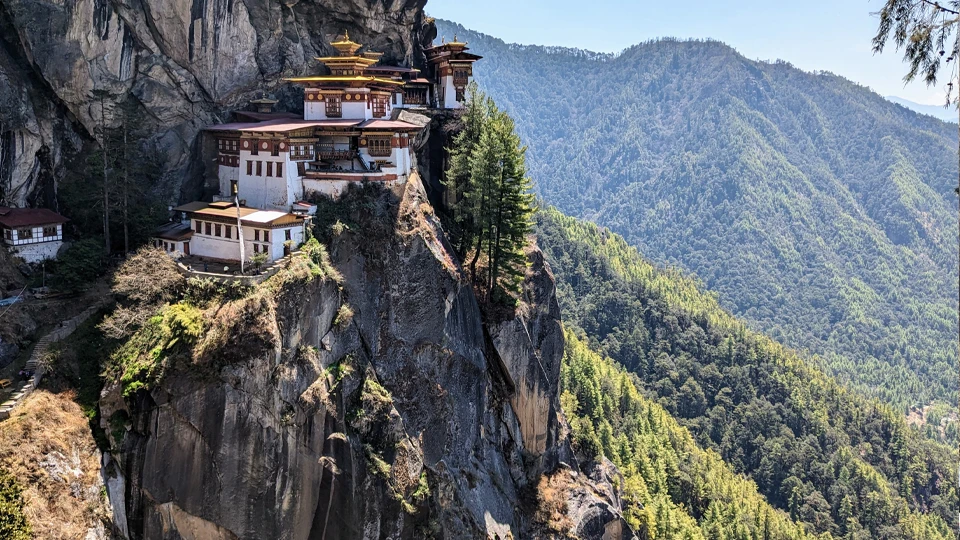
Perched precariously on a sheer cliff 900 meters (3,000 feet) above the Paro Valley, this 17th-century monastery is the spiritual heart of the nation. Legend says Guru Padmasambhava flew here on the back of a tigress to meditate in the caves.
Insider Tip: Start your hike at 7:00 AM to beat the mid-day sun and capture the mist swirling around the golden spires.
2. Punakha Dzong (Palace of Great Happiness)
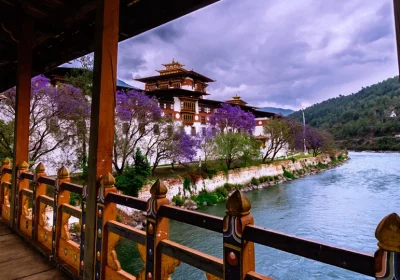
The Angle: Widely considered the most beautiful fortress in the country, it sits majestically at the confluence of the Pho Chhu (Father) and Mo Chhu (Mother) rivers. It served as the capital of Bhutan until 1955 and remains the winter residence of the central monastic body.
2026 Highlight: Walk across the 160-meter-long suspension bridge nearby for a thrilling view of the valley’s turquoise waters.
3. Thimphu: The “No-Traffic-Light” Capital
Thimphu is a unique blend of ancient tradition and 21st-century Bhutanese life. From the 51-meter-tall Buddha Dordenma (one of the largest sitting Buddhas in the world) to the National Memorial Chorten, the city is a living museum.
Must-See: Visit the “Authentic Bhutanese Crafts Bazaar” to see youth-led social enterprises in action.
4. Phobjikha Valley (The Crane Valley)
A U-shaped glacial valley that feels like a step back in time. This is the winter home of the rare Black-Necked Cranes. The valley is also home to the 17th-century Gangtey Monastery, which overlooks the vast marshlands.
Eco-Note: Stay in a solar-powered lodge to support the valley’s strict “no-electricity-grid” conservation policy.
5. The Trans Bhutan Trail (The 2026 Trend)
After 60 years of closure, this 403km ancient trail has been fully restored. It connects Haa in the west to Trashigang in the east, passing through 28 local gewogs (villages), 21 temples, and 5 suspension bridges.
The Experience: You don’t have to hike the whole trail; even a half-day walk offers a “deep-time” connection to Bhutanese history.
6. Haa Valley: The “Hidden” Western Gateway
Opened to tourists only in 2002, Haa remains the least-visited valley in the west. It is famous for its ancestral traditions, the “Black and White” temples (Lhakhang Karpo and Nagpo), and the annual Summer Festival.
Why Visit: It’s the perfect alternative for travelers looking to escape the busier corridors of Paro.
7. Bumthang: The Spiritual Heartlands
Bumthang is comprised of four mountain valleys (Chokhor, Tang, Chhume, and Ura). It is the most historic region, filled with tales of Guru Rinpoche and Pema Lingpa. Don’t miss Membartsho (The Burning Lake), where sacred treasures were once discovered underwater.
Cultural Note: Bumthang is also famous for its local cheese, honey, and “Red Panda” beer.
8. Dochula Pass: The 108 Stupas
Located at 3,100 meters on the road between Thimphu and Punakha, this pass offers a 360-degree panoramic view of the snow-capped Himalayas. The 108 Druk Wangyal Chortens were built to honor Bhutanese soldiers.
Photo Op: On a clear day, you can see Gangkhar Puensum, the highest unclimbed mountain in the world.
9. Lhuentse: The Ancestral Home of Kings
Located in the remote northeast, Lhuentse is the ancestral home of the Wangchuck Royal Dynasty. It is world-renowned for Kushutara, the most intricately woven silk textiles in the Kingdom.
Highlights: Visit the Khoma Village weavers and marvel at the 154-foot tall Guru Nangsey Zyilnon statue.
10. Gelephu Mindfulness City (The Future of Bhutan)
Announced by His Majesty the King, the Gelephu Mindfulness City (GMC) is a revolutionary Special Administrative Region. It aims to be a global hub for wellness, green energy, and “mindful” economic growth.
2026 Perspective: See the architecture that blends Vajrayana spiritual principles with futuristic urban planning.
Leave a Reply