In Bhutan, culture is not a performance; it is a living, breathing practice rooted in
Buddhism and
Driglam Namzha (the official code of etiquette). As a guest in 2026, your adherence to these customs is the greatest sign of respect you can offer.
Here is how to navigate the Kingdom with grace, ensuring your journey is as meaningful for the locals as it is for you.
1. The “Monastery-Ready” Dress Code
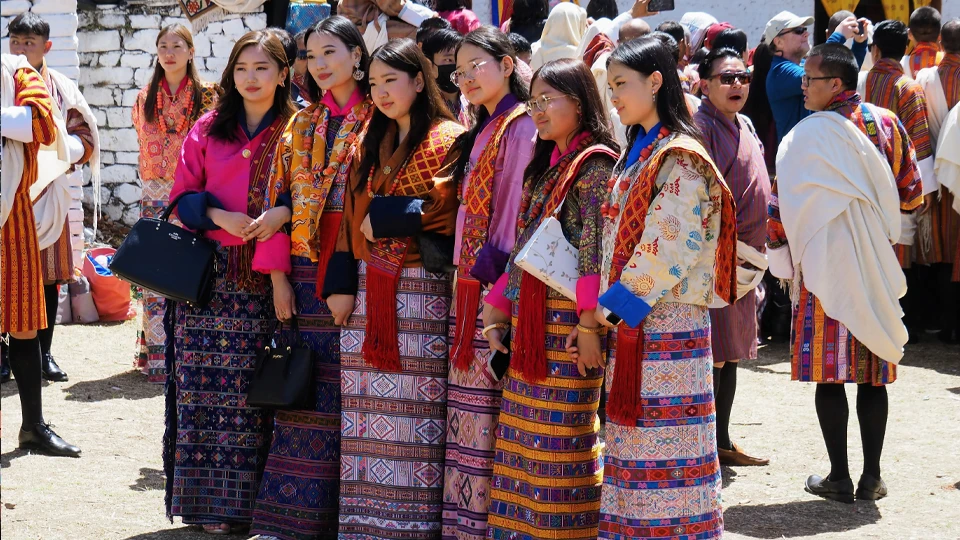
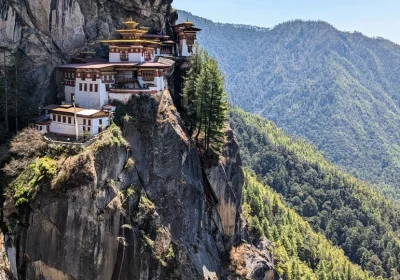
When visiting Dzongs (fortresses), temples, or government offices, the dress code is strict.
- The Rule: Shoulders and knees must be covered.
- The Detail: Men should wear long pants and collared shirts (half or full sleeve). Women should wear long skirts or trousers with modest tops. Sleeveless tops, shorts, and flip-flops will result in denied entry.
- Pro Tip: Always wear or carry a pair of socks. You must remove your shoes before entering any temple, and stone floors can be cold.
2. Circular Wisdom (Clockwise Only)
Whether you are walking around a
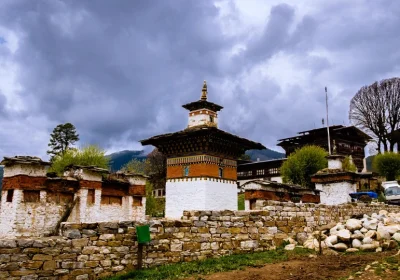
Chorten (stupa), spinning prayer wheels, or navigating the inner sanctum of a temple, always move in a
clockwise direction. This follows the path of the sun and is a sign of harmony with the universe.
3. The Honorific “La”
You will notice Bhutanese people adding “la” to the end of almost every sentence. It is a polite honorific.
- Practice: Instead of a simple “Yes,” try saying “Yes, la.” It’s a small gesture that signals you are a mindful and respectful guest.
4. The Sacred Head & The Lowly Feet
- The Head: Considered the most sacred part of the body. Never touch a Bhutanese person (especially a child or monk) on the head.
- The Feet: Considered the least clean part of the body. When sitting, never point your feet toward an altar, a religious statue, or another person. Tuck them beneath you or sit cross-legged.
5. Photography: Respect the “No-Lens” Zones
- In Courtyards: Photography is generally welcomed.
- Inside Temples: Photography is strictly forbidden inside the inner chapels and altar rooms. This allows the space to remain a sanctuary for prayer, not a backdrop for social media.
- People: Always ask for permission before photographing individuals, especially monks or elders. A simple smile and a nod toward your camera is usually enough to ask.
6. Table Manners: The Right Hand Rule
If you are invited to a local home or a farmhouse dinner:
- Wait: It is customary to wait for the host or the eldest person to begin eating first.
- Right Hand: If eating with your hands (traditional style), use only your right hand. The left is considered unclean for dining.
- Gratitude: Say “Kadinchey la” (Thank you) at the end of the meal to show appreciation for the hospitality.
7. Voices & Volume
Bhutanese culture values
tranquility and composure. Raising your voice in public, even in frustration, is considered “losing face.” Keep your tone gentle, especially in sacred spaces where monks may be meditating or chanting.
8. Gifts: The Two-Handed Exchange
When giving or receiving a gift, business card, or even money:
- The Gesture: Use both hands (or your right hand supported by the left at the elbow). This shows that the exchange is being done with your full attention and respect.
9. The Divine Madman & Sensitive Symbols
You will see “phallus” paintings on the walls of many homes, particularly in the Punakha valley. These are symbols of protection and fertility related to the
Divine Madman, Drukpa Kuenley. Treat these symbols with respect; they are a deep part of Bhutan’s unique spiritual heritage, not a joke.
10. Environmental Stewardship
Bhutan is fierce about its carbon-negative status.
- Zero Waste: Never litter. If you see trash on a trail, picking it up is seen as a highly virtuous act.
- Nature is Sacred: Do not throw stones into lakes or rivers, as many are believed to be the abodes of spirits.
Leave a Reply