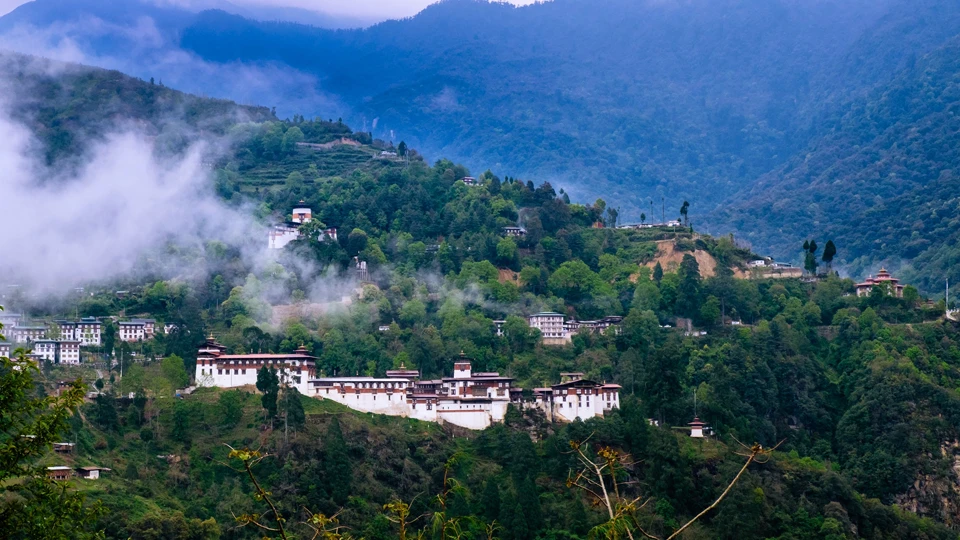
Most travel guides will tell you to visit Bhutan in the spring or autumn. They speak of clear skies and festival crowds. But for the savvy traveler, the months of June, July, and August offer a version of the Kingdom that few ever see: a land of neon-green valleys, mist-shrouded fortresses, and a profound, tranquil silence.
If you are looking to escape the heat of the plains or the over-tourism of global “hotspots,” here is why summer in the Himalayas is Bhutan’s best-kept secret.
1. The Emerald Valley: A Photographer’s Paradise
While the autumn turns the landscape gold, the summer (monsoon) turns Bhutan into a living emerald. This is the peak of the agricultural cycle.
- The Punakha Paddies: In July and August, the rice terraces of Punakha and Paro reach their most vibrant shade of green. The contrast between the lime-green fields, the white-washed Dzongs, and the dark, moody monsoon clouds creates a dramatic, cinematic atmosphere that “high season” simply cannot match.
- Low-Hanging Mist: The clouds in Bhutan don’t just stay in the sky; they weave through the pine trees and settle in the valleys, offering ethereal, mysterious photo opportunities that look like traditional Himalayan scroll paintings.
2. The “Morning Window” Myth
The biggest misconception about Bhutan’s summer is that it rains 24/7. In reality, the monsoon follows a predictable rhythm:
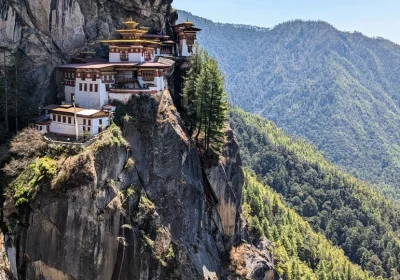
- The Golden Morning: Most days begin with crisp, cool air and bright sunshine. This “morning window” (usually from 6:00 AM to 2:00 PM) is the perfect time for hiking to the Tiger’s Nest or exploring the city of Thimphu.
- The Cozy Afternoon: The rain typically arrives in late afternoon or evening—often as a refreshing mountain shower that cools the air. This is the “Golden Hour” for wellness travelers. Imagine sitting on a wood-paneled balcony with a cup of hot Suja (butter tea) while watching the rain dance over the Himalayas.
- Solitude at the Sites: While spring hikers wait in line for a photo at the Taktsang lookout, summer travelers often find themselves entirely alone at Bhutan’s most sacred sites.
3. Flora & Fauna: The Season of the Blue Poppy
For nature lovers, summer is the only time to witness Bhutan’s botanical wonders in full bloom.
- The Himalayan Blue Poppy: Known as the “Queen of the Himalayas,” this rare, elusive flower (Bhutan’s national flower) only blooms at high altitudes during the summer months.
- Orchids and Rhododendrons: The subtropical valleys of Punakha and the high passes like Chele La burst with wild orchids and late-blooming rhododendrons.
- The Mushroom Harvest: Summer is also the season of the Matsutake Mushroom. Travelers can join locals in the forests for foraging tours, followed by a feast of these world-renowned, aromatic delicacies.
4. The “Off-Season” Luxury Advantage
Because summer is technically the “low season,” your travel budget goes significantly further:
- Luxury for Less: Many of Bhutan’s most exclusive 5-star lodges offer “Summer Retreat” rates, allowing you to experience world-class luxury at a fraction of the autumn price.
- Personalized Service: With fewer guests in the country, your guides and hotel staff can offer an even deeper level of personalized attention. You aren’t just a guest; you are the only guest.
Leave a Reply