10 Essential Truths for a Seamless Journey to the Land of the Thunder Dragon.
1. The $100 SDF is an Investment, Not a Tax
As of 2026, the Sustainable Development Fee (SDF) is $100 per person, per night. This is 50% lower than the 2023 peak and is locked in until August 2027. This fee covers your “entry to the sanctuary,” funding free healthcare and carbon-neutral projects. It does not cover your hotels or food.
2. The 5% GST Rule
New for 2026: A 5% Goods and Services Tax now applies to tour components (hotels, cars, and guides). The best operators include this in their upfront quote—always ask if your quote is “GST inclusive” to avoid surprises at checkout.
3. Independent vs. Guided Travel
Bhutan has modernized. You can explore the valleys of Paro and Thimphu independently. However, a licensed guide is mandatory for any travel beyond these two valleys and for all treks. In 2026, the guide-to-guest ratio is capped at 1:22 for groups, but private tours remain the gold standard.
4. Digital Currency & Payments
Bhutan is ahead of the curve. Major luxury hotels and shops now accept Binance Pay and other crypto-assets. For everything else, the goBhutan app or local SIM-based wallets are preferred over cash.
5. The “Quiet Luxury” Dress Code
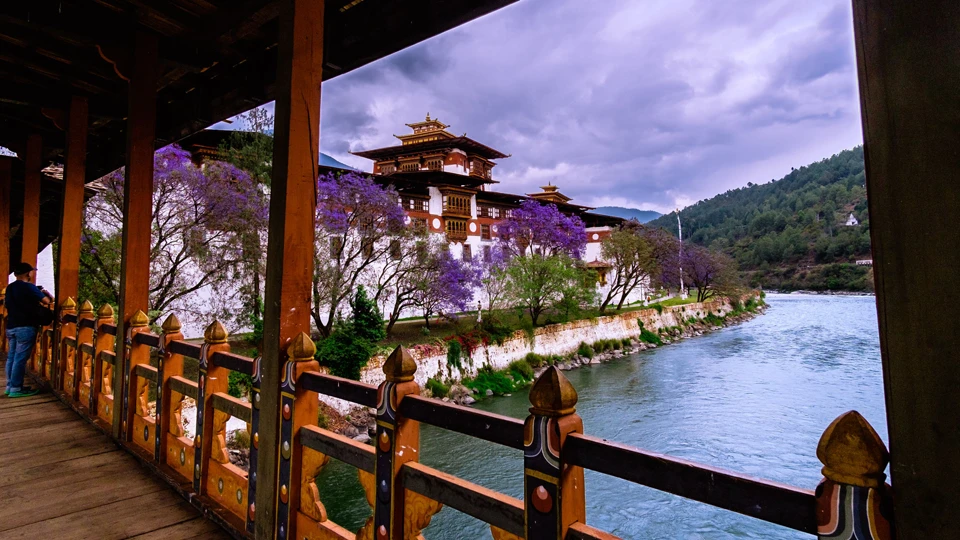
When entering Dzongs (fortresses) or monasteries, the “Three-L Rule” applies: Long sleeves, Long pants, and Lead with respect. Hats and photography are strictly prohibited inside altar rooms.
6. Altitude is the Real Deal
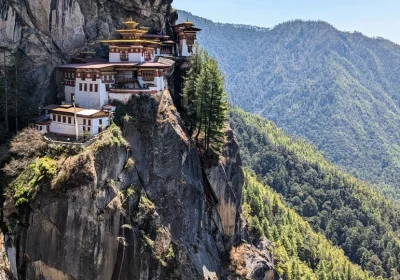
Most of your journey will be above 2,200m (7,200ft). The Tiger’s Nest hike reaches 3,100m. Plan for two days of “slow-walk” acclimatization in Thimphu before attempting any major treks.
7. Flight Logistics: The “Left Side” Secret
When flying into Paro from Kathmandu or Delhi, request a seat on the Left Side of the plane for the most breathtaking views of Mt. Everest and Kanchenjunga.
8. Sustainable Connectivity
Pick up a TashiCell or B-Mobile eSIM at the airport. While hotels have Wi-Fi, 4G/5G is more reliable for navigating or posting to social media while on mountain passes.
9. Spicy is the Standard
The national dish, Ema Datshi, consists of chili peppers and cheese. In Bhutan, chilies are treated as a vegetable, not a spice. If you have a sensitive palate, always ask for “tourist mild.”
10. The 2026 Festival Pivot
Major festivals like the Paro Tshechu (March 28 – April 1, 2026) now have visitor caps to prevent overcrowding. Book your permit and accommodation at least 6 months in advance for festival dates.
Leave a Reply